Call us now :08045803919
 Send Inquiry

 Send Inquiry
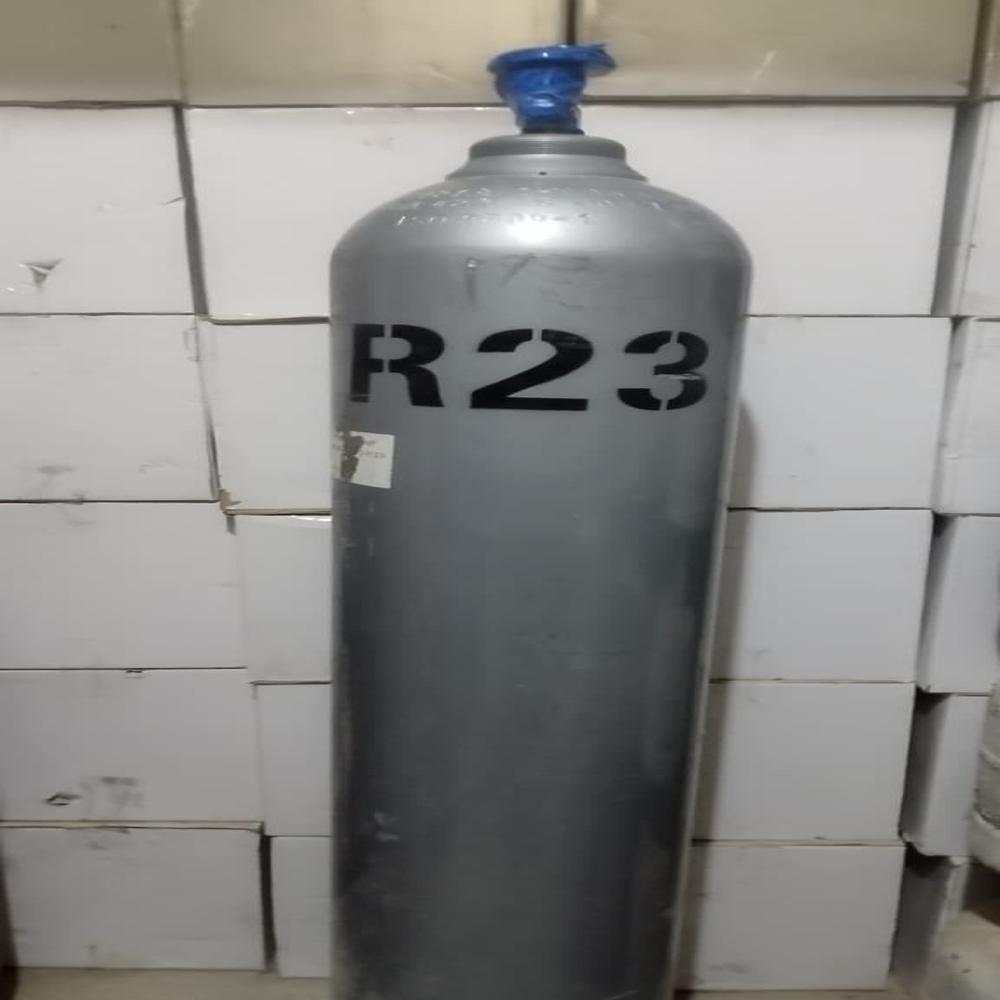
30kg Stallion R-23 Refrigerant Gas
Price 1600.0 INR/ Unit
MOQ : 1 Unit
30kg Stallion R-23 Refrigerant Gas Specification
- Purity
- 99.9%
- Boiling point
- -82.1C
- Pressure
- Typically filled at 150 bar
- Vapor Density
- 4.53 (air = 1)
- CAS No
- 75-46-7
- Industries
- Refrigeration, Air Conditioning, Industrial Cooling
- Air Gases
- Not classified as air gas
- Noble Gases
- Not a noble gas
- Elemental Gases
- Not an elemental gas
- Melting Point
- -155C
- Freezing Point
- -155C
- Filling Pressure
- 8.5 to 10.0 MPa depending on temperature
- Density
- 1.52 Gram per cubic centimeter(g/cm3)
- Volume
- Cylinder volume varies (typically approx. 40-60 litres for 30kg)
- Application
- Low temperature refrigeration, environmental chamber cooling
- Weight
- 30 kg
- Molecular Weight
- 70.01 g/mol
- Compatibility
- Compatible with most refrigeration lubricants
- Shelf Life
- Unlimited under proper storage
- Cylinder Color
- Grey/Silver (as per refrigerant identification)
- Cylinder Usage
- Disposable and refillable, for industrial service
- Chemical Name
- Trifluoromethane
- Safety Class
- A1 (non-toxic, non-flammable)
- Molecular Formula
- CHF3
- Cylinder Material
- High-strength steel
- Storage
- Store upright in cool, well-ventilated area
- UN Number
- UN1984
- Valve Type
- Standard refrigerant valve, CGA 660
- Package Size
- Available in 30kg cylinders
- Environmental Impact
- High Global Warming Potential (GWP): 11,700
- Odor
- Odorless
- Refrigerant Type
- HFC (Hydrofluorocarbon)
30kg Stallion R-23 Refrigerant Gas Trade Information
- Minimum Order Quantity
- 1 Unit
- Delivery Time
- 1 Hours
About 30kg Stallion R-23 Refrigerant Gas
R-23 Refrigerant Gas Supplier in Hyderabad. R-23 (trifluoromethane) is the ultra-low-temperature HFC used in the low stage of cascade systems. It boils at about 82 C, which is why it turns up wherever 40 C is not cold enough.
Typical buyers: pharmaceutical and biotech sites running ULT freezers and stability chambers; environmental and climatic test-chamber operators; blast-freezing and specialist industrial plant; service engineers maintaining installed cascade systems across Telangana and AP.
We supply Stallion products in original, factory-sealed packaging. Safety Data Sheets and specifications are available on request, and we dispatch across India from Hyderabad.
Engineered for Industrial Reliability
Stallion R-23 Refrigerant is meticulously formulated for consistent performance in demanding industrial and commercial settings. Its high purity and non-flammable, non-toxic safety classification ensure reliable, safe operation in low temperature and environmental cooling systems. The 30kg capacity cylinder, constructed from high-strength steel and fitted with a standard CGA 660 valve, ensures integrity and ease of handling during both transport and application.
Advanced Applications and Compatibility
Designed for specialty uses, Stallion R-23 excels in cryogenic cooling, environmental chambers, and industrial refrigeration. It's compatible with a wide range of refrigeration lubricants, allowing for seamless integration into existing systems. The refrigerant's physical properties-including a boiling point of -82.1C and melting point of -155C-enable optimal performance in extreme cooling environments.
Responsible Storage and Handling
For sustained product efficacy and safety, store Stallion R-23 cylinders upright in a cool, well-ventilated area. The cylinders are labeled in accordance with refrigerant identification standards for easy recognition and compliance. With unlimited shelf life under proper conditions, routine inventory management ensures reliability whenever the product is needed.
FAQ's of 30kg Stallion R-23 Refrigerant Gas:
Q: How should the 30kg Stallion R-23 refrigerant cylinder be stored?
A: Cylinders should be stored upright in a cool, well-ventilated area, away from direct sunlight and sources of heat. Adhering to proper storage guidelines ensures safety and maintains the refrigerant's effectiveness over time.Q: What are the main industrial applications for Stallion R-23 refrigerant gas?
A: This refrigerant is mainly used in low temperature refrigeration systems, environmental chamber cooling, and other industrial cooling processes that require efficient performance at very low temperatures.Q: When is it advantageous to use Stallion R-23 over other refrigerants?
A: Stallion R-23 is especially beneficial in cryogenic and ultra-low temperature environments where standard refrigerants cannot operate efficiently. Its chemical stability and high purity make it suitable for critical and specialized industrial applications.Q: Where can Stallion R-23 refrigerant cylinders be installed or used?
A: They can be used across commercial refrigeration plants, industrial cooling systems, and specialized scientific facilities that require precise temperature control for operational or testing purposes.Q: What is the standard process for handling and connecting the R-23 cylinder?
A: Always ensure the cylinder is upright and securely positioned before connecting the standard CGA 660 valve to system lines. Use approved tools and equipment specific to HFC refrigerants to avoid leaks and ensure operator safety.Q: How is Stallion R-23 safer for technicians and users?
A: It is classified as Safety Class A1, indicating it is non-toxic and non-flammable. This reduces risks during handling compared to refrigerants with higher safety concerns, making it suitable for routine industrial use.Q: What benefits does Stallion R-23 offer in terms of performance and longevity?
A: With a 99.9% purity level and unlimited shelf life when correctly stored, Stallion R-23 offers consistent, efficient cooling over extended periods, minimizing maintenance requirements and maximizing operational reliability.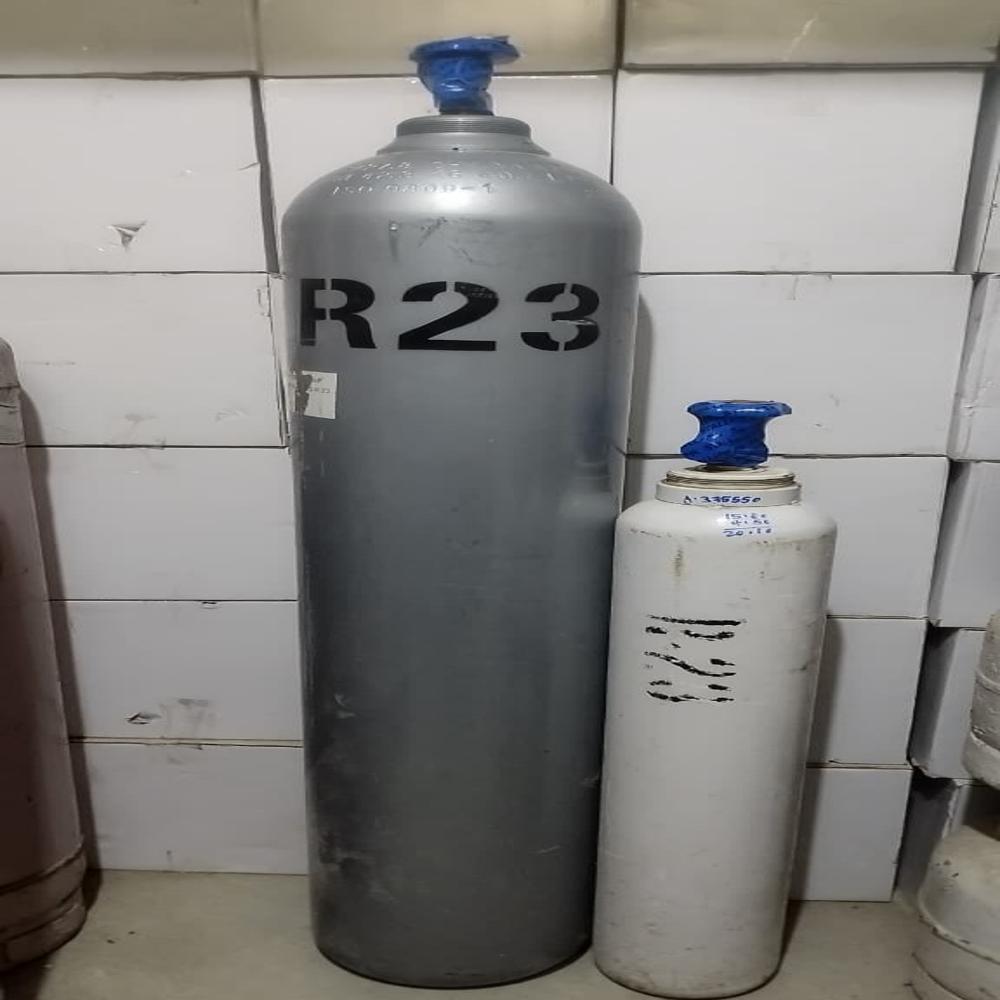
Tell us about your requirement

Price:
Quantity
Select Unit
- 50
- 100
- 200
- 250
- 500
- 1000+
Additional detail
Mobile number
Email

More Products in Other Refrigerant Gas Category
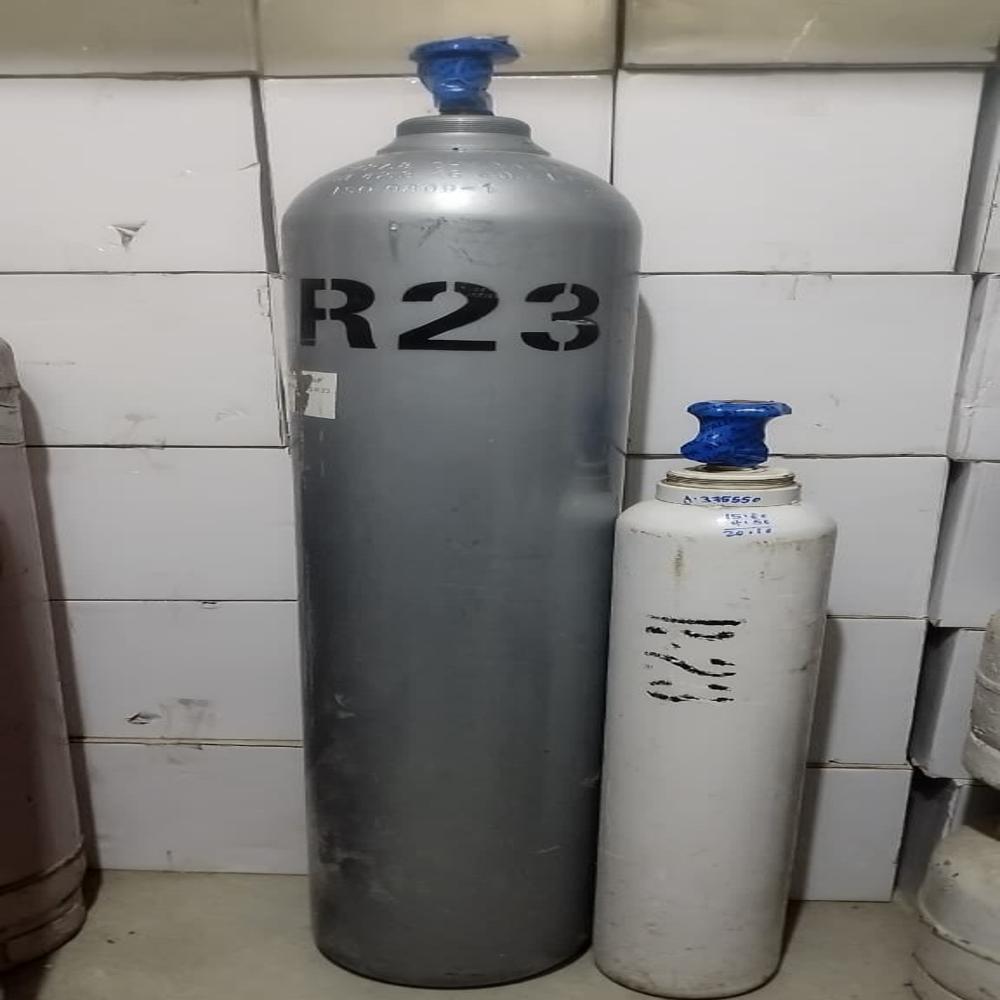
4.5kg Stallion R-23 Refrigerant Gas
Price 1800.0 INR / Number
Minimum Order Quantity : 1 Number
Purity : 99.5%
Weight : 4.5 kg
Application : Used as refrigerant, lowtemperature cooling, and in specialty applications
Industries : Other, Refrigeration, Cryogenics, HVAC, Semiconductor Manufacturing
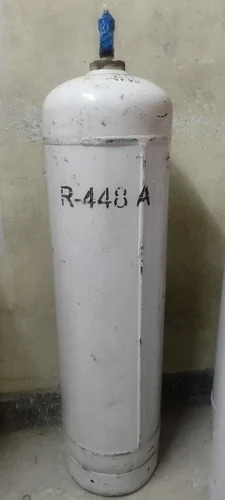
50kg Stallion R-448A Refrigerant Gas
Price 3500 INR / Kilograms
Minimum Order Quantity : 50 Kilograms
Purity : 99.9 %
Weight : 50 kg
Application : Refrigerated Truck, Food Display, Deep Freezer, Ice Cream Freezer, Cold Room, Process Cooling, Cold Storage, Blast Freezer
Industries : Other, Refrigeration, Cold Storage
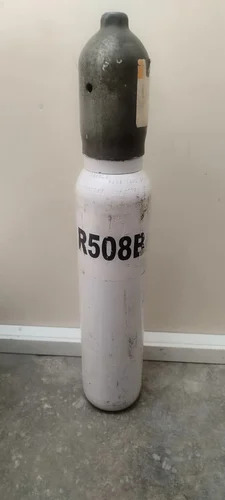
2kg Stallion R-508B Refrigerant Gas
Price 17000 INR / Kilograms
Minimum Order Quantity : 20 Kilograms
Purity : 99.9 %
Weight : 2 kg
Application : Cold Room, Chiller, VRF System, Refrigerator, Room AC, Water Cooler, Packaged AC, Car AC
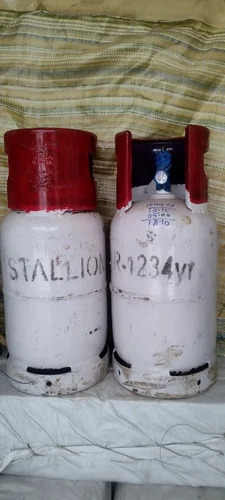
5kg Stallion R-1234yf Refrigerant Gas
Price 8000 INR / Kilograms
Minimum Order Quantity : 5 Kilograms
Purity : 99.9 %
Weight : 5 kg
Application : Bus AC, Truck AC, Mobile AC, Heat Pump, Car AC

 Send Inquiry
Our Products

Plot No. 4-1-29, Old Bhoiguda,Secunderabad - 500003, Telangana, India

 Send Inquiry

Developed and Managed by Infocom Network Private Limited.
